
Indigenous Business Month: Building Relationships That Go Beyond The Transaction
Indigenous Business Month is an opportunity to recognise the contribution of Aboriginal and Torres Strait Islander businesses and consider how organisations can build stronger relationships with them.
For Padthaway Resources Corporation (PRC), that conversation starts with a clear view of what a successful partnership looks like: a competitive Aboriginal-owned business delivering high standards, working alongside a procurement team committed to meaningful outcomes.
It is an approach grounded in commercial capability, shared expectations and a willingness to build something over time.
This October, the Indigenous Business Month theme, Local and Connected, provides a timely setting for that conversation. The 2026 campaign centres on connection to Country, community and the relationships that sustain Indigenous businesses.
For PRC, the connection between business and relationships is reflected in a straightforward ambition: to work with organisations willing to go beyond a transaction and build a lasting partnership.
Commercial Capability At The Centre
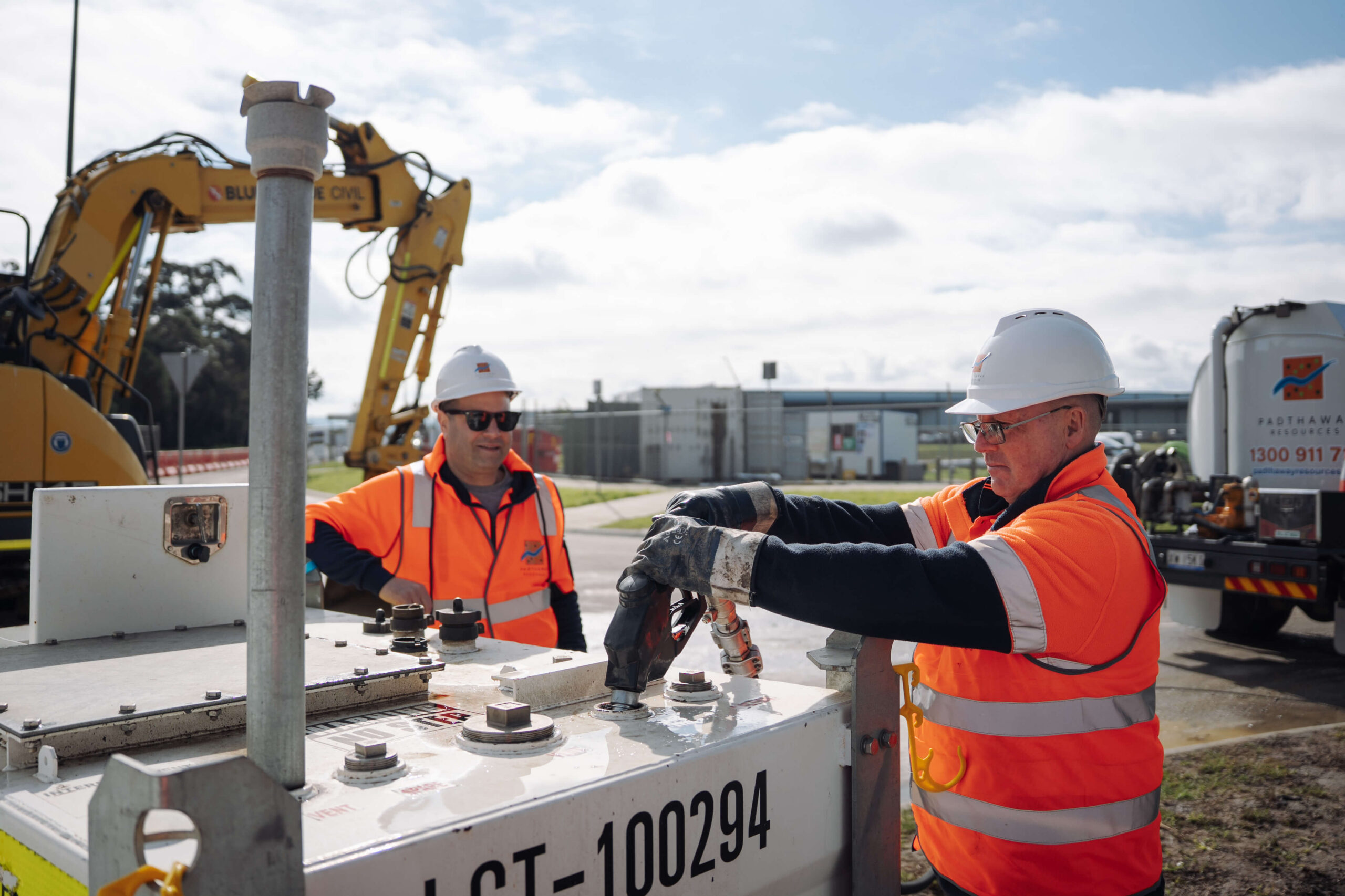
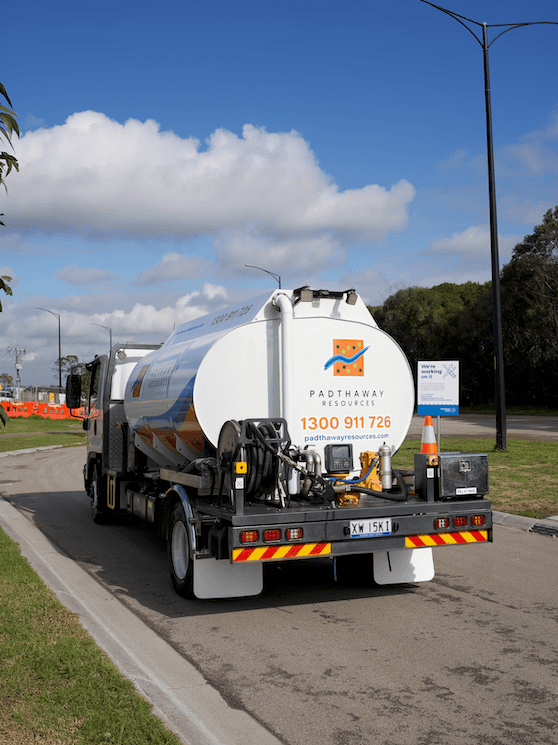
PRC is an Aboriginal-owned and controlled national fuel and energy business. It supplies diesel, oils, lubricants and sustainable fuel options, alongside bulk and onsite refuelling services.
Its mission is to provide safe, reliable and efficient fuel and energy solutions that support Australia’s critical projects. Its leadership brings experience across transport, infrastructure, energy supply and community development.
Those capabilities matter to organisations choosing a supply partner. Fuel procurement involves practical requirements: dependable supply, suitable products, responsive service and an understanding of the operation being supported.
For a project team, these requirements are connected to everyday decisions. Machinery needs to be available when work is scheduled. Deliveries need to account for site access and operating conditions. The people coordinating supply need to understand who to contact when requirements change.
PRC’s approach brings these commercial expectations together with its commitment to Indigenous business participation. Aboriginal ownership is central to the company’s identity, while competitiveness and high standards underpin the relationships it seeks to build.
Both sides have a role to play. A supplier needs to demonstrate its capability and deliver on its commitments. A procurement team needs to be willing to engage, understand that capability and establish a relationship in which the business can perform.
Understanding Both Sides Of Procurement
The perspective shared in PRC’s brand video draws on the speaker’s 10 to 15 years of experience leading Indigenous programs across employment, community support and procurement within national organisations.
It also reflects experience on both sides of the commercial relationship: leading procurement teams and operating a business.
That combination provides a useful perspective on how intentions become practical opportunities. Procurement teams have operational needs to meet and standards to maintain. Business owners need to understand those requirements, demonstrate what they can deliver and earn trust through their performance.
Bringing those perspectives together creates space for a more informed conversation. Both parties can discuss the requirements of the work, the expectations of the relationship and the outcomes they want to achieve.
Early engagement can make that conversation more useful. When a supplier understands an upcoming requirement before a purchasing decision is finalised, there is time to discuss scope, clarify delivery expectations and assess whether the opportunity is a suitable fit.
For procurement teams, this means considering how Indigenous suppliers are introduced to opportunities. Clear information about the work, the selection process and the next steps helps a business prepare a relevant response. It also gives both parties a stronger basis for deciding how to proceed.
Making The First Opportunity Work
An introduction opens the conversation, but a workable opportunity needs detail. The scope of supply, expected volumes, locations, timeframes and service requirements all help establish what success will look like.
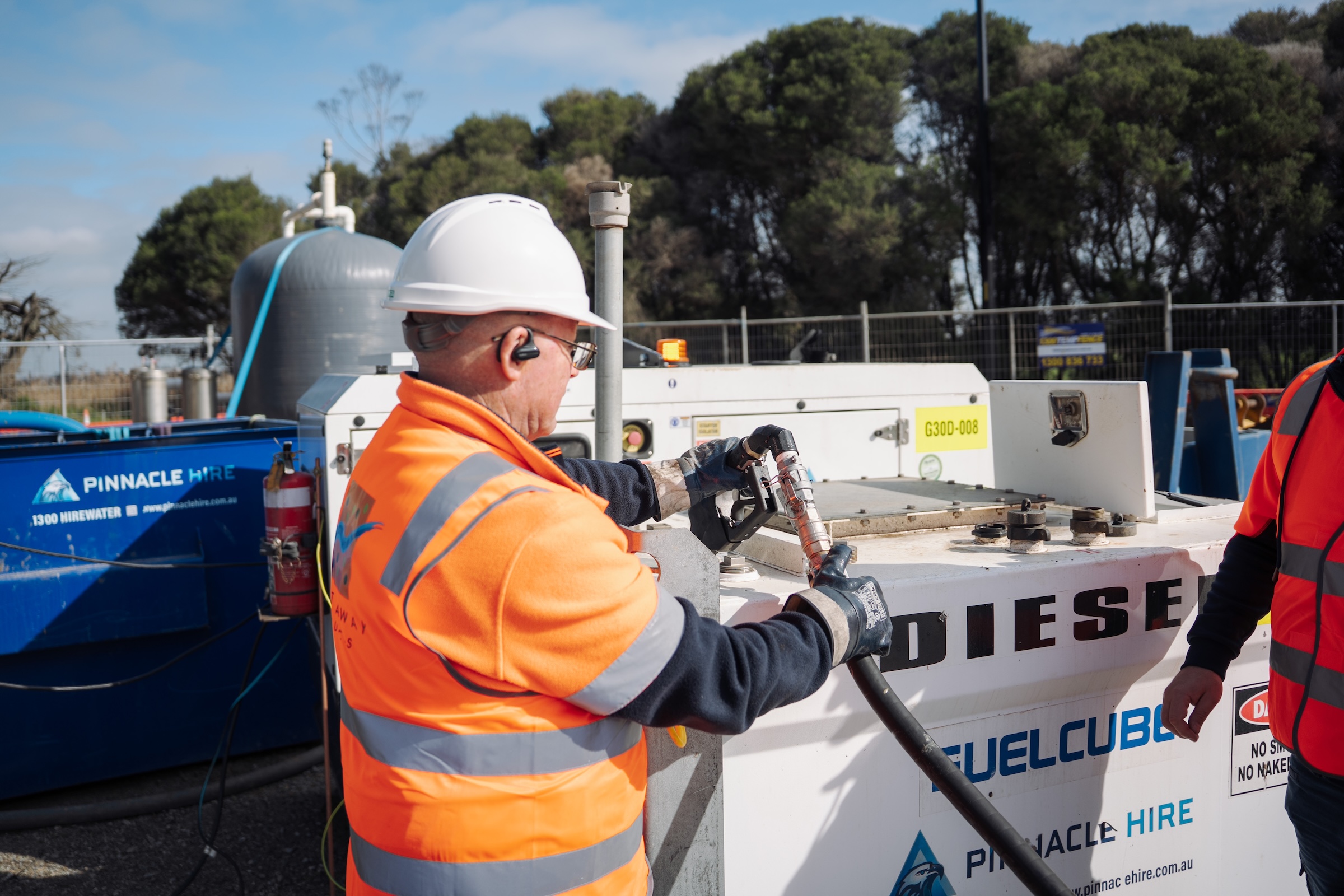
In fuel procurement, these discussions might cover the equipment being supported, how frequently refuelling is required and how supply will be coordinated with site activities. They can also identify the information needed before a service begins, including access arrangements and relevant site requirements.
Clear expectations benefit the supplier and the customer. They help the supplier assess its capacity and propose an appropriate service. They help the customer understand what is included, where responsibilities sit and how the arrangement will support its operations.
The same care should extend to onboarding. Establishing contacts, agreeing on communication and explaining administrative requirements can help turn an agreed opportunity into an effective working arrangement. These practical steps give a new relationship structure from the outset.
Relationships With A Shared Direction
A transaction can meet an immediate requirement. A relationship creates the opportunity to understand what comes next.
For a fuel supply business, that might mean discussing changing project needs, planning around operational requirements or maintaining communication as a client’s work develops. These conversations give both parties a clearer understanding of how they can work together.
PRC’s brand video makes its preference clear: “We want relationships.” The message is direct. PRC seeks customers and organisations willing to build a relationship and go on a journey together.
That requires commitment from both sides. Trust develops through the way a supplier responds, the way expectations are communicated and the way each party follows through. It also requires a willingness to have conversations beyond the immediate order.
Regular contact provides an opportunity to review what is working and raise issues early. If a project’s timetable shifts or its requirements expand, a supplier with a clear understanding of the operation is better placed to discuss a suitable response.
A lasting relationship also needs honest feedback. Both parties should be able to identify where service is meeting expectations and where adjustments are needed. Consistent communication helps keep the relationship focused on delivery while allowing it to develop over time.
For organisations reviewing their Indigenous procurement approach, this provides a practical question to consider: what does the relationship with an Aboriginal-owned supplier look like after the first transaction?
Local And Connected In Practice
The Local and Connected theme invites organisations to consider the Indigenous businesses around them and the connections they can build. It places attention on the people and relationships behind a business, alongside the products and services it provides.
PRC’s national focus offers one way to explore that invitation through a commercial relationship. A national procurement decision still needs to work for the people coordinating supply and delivery at an individual site.
Connection can begin with understanding a business’s people, experience and capabilities, then identifying where those capabilities align with an organisation’s requirements. For procurement teams, a useful first step is a direct conversation. What does the project need? What can the supplier deliver? What expectations need to be clear from the outset?
It is also worth considering who needs to be involved. Procurement may establish the agreement, while project managers, site teams and operational staff work with the supplier day to day. Bringing the relevant people into the conversation helps connect the purchasing decision with the work on the ground.
These questions connect procurement intentions with the practical work of choosing and supporting a capable supplier. They also reflect the central message of PRC’s video: strong outcomes depend on a competitive Indigenous business and a committed procurement team coming together.
Giving The Relationship Room To Develop
A successful first engagement provides a basis for further discussion. Once a supplier has demonstrated its capability, both parties can consider whether there are other requirements it is suited to support.
That might involve discussing another stage of a project, introducing the business to a relevant team or reviewing future supply needs. Any next step should be grounded in performance, capacity and a clear understanding of the work.
Continuity matters here. Keeping a supplier informed about upcoming requirements gives it a better opportunity to plan. Keeping internal teams informed about a supplier’s capabilities helps ensure that knowledge extends beyond the person who made the initial introduction.
This is one way organisations can carry their Indigenous procurement intentions into everyday practice: through clear opportunities, consistent communication and decisions that recognise demonstrated capability.
A Conversation That Continues Beyond October
Indigenous Business Month creates a moment to recognise Indigenous business capability and open new conversations. The value of those conversations depends on what follows.
For PRC, the focus is on earning trust through performance and working with organisations that share its commitment to a lasting relationship.
Its message is clear: commercial standards and meaningful partnerships belong in the same conversation. The opportunity is to bring that thinking into supplier selection, onboarding and the ongoing management of the relationship throughout the year.
As organisations consider their procurement relationships this October, PRC welcomes the opportunity to discuss how its fuel and energy capabilities can support their operations and form the basis of an ongoing partnership.
Contact
Seeking a Committed Fuel Supply Partner?
Contact the Padthaway Resources Corporation team to discuss your project and fuel requirements.